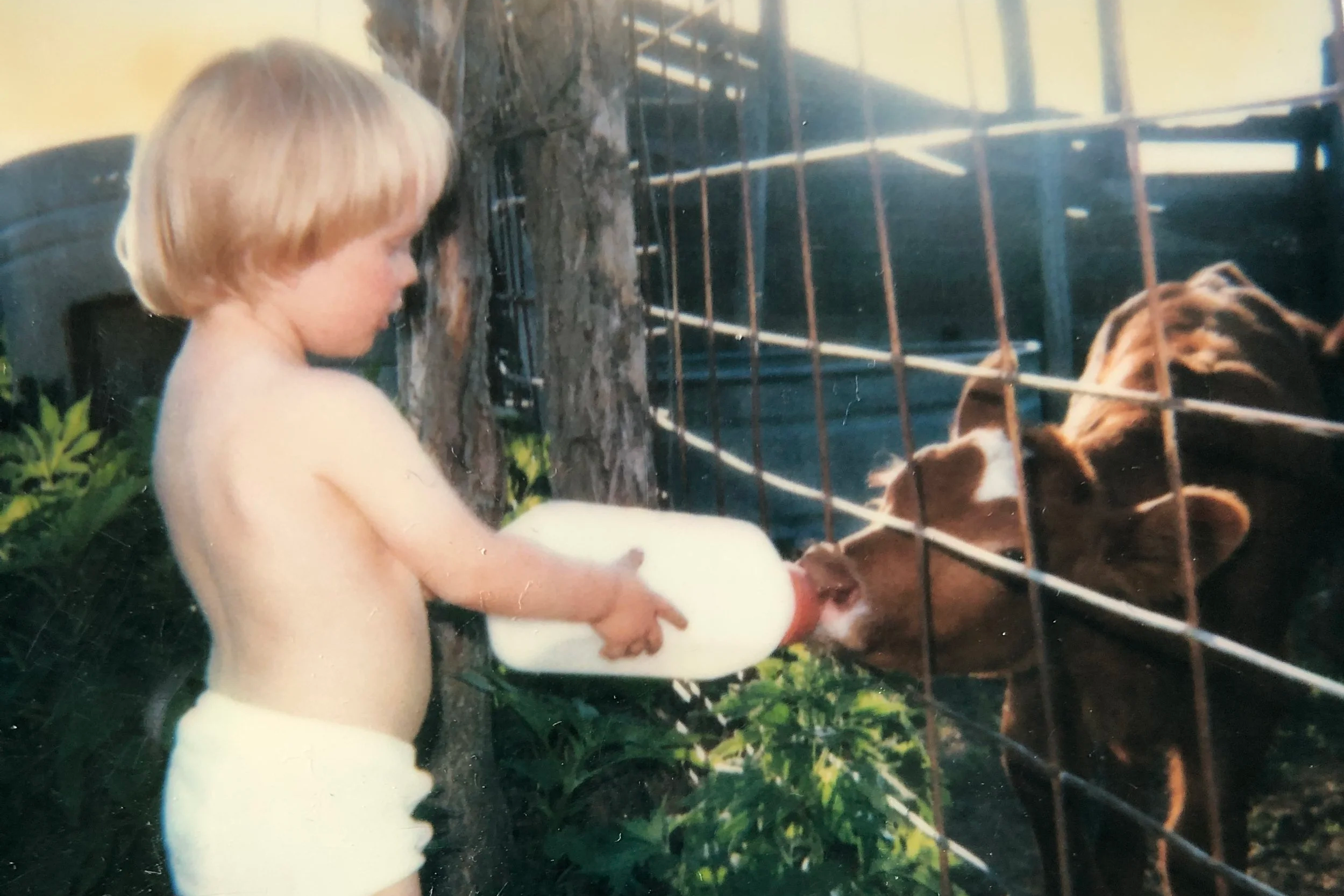
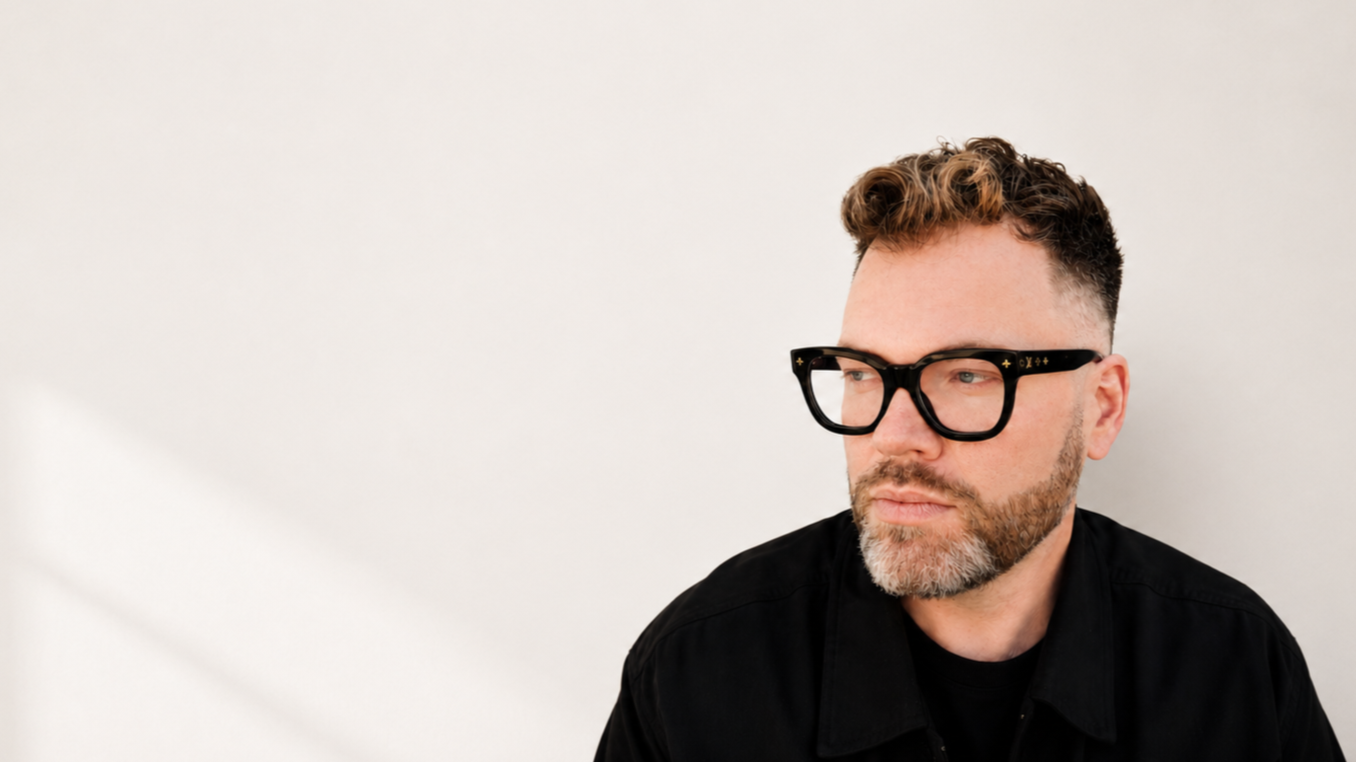
Hello, I'm Chase.
I'm glad you're here.
Before brands, strategy, and all the success, there was just a kid on a midwest farm trying to figure out where he belonged.
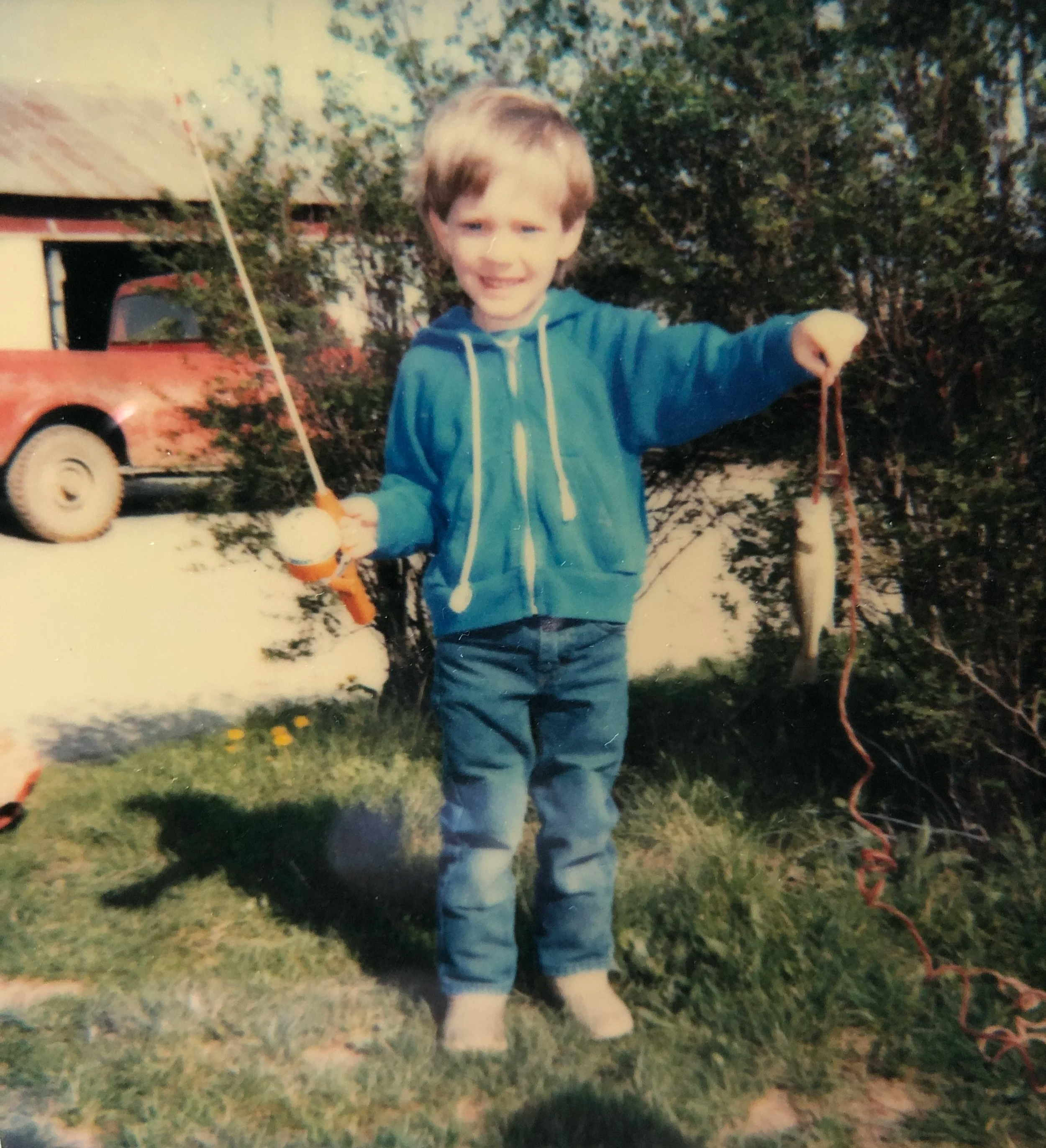
I grew up as a gay kid on a farm outside a town of 250 people.
It was a part of the country with strong traditions, lots of cousins, tons of cows, and narrow definitions of what it meant to belong.
I also like to say I grew up at the intersection of farming and finance. My dad was a lifelong farmer and also the president of a local bank, and used to tell people he "farmed for a living and banked for survival." Growing up in rural Missouri, I learned the value of hard work early, and picked up more about business from my dad than I realized at the time. It was a childhood filled with freedom and lots of support, but in a place that never really felt quite like home.
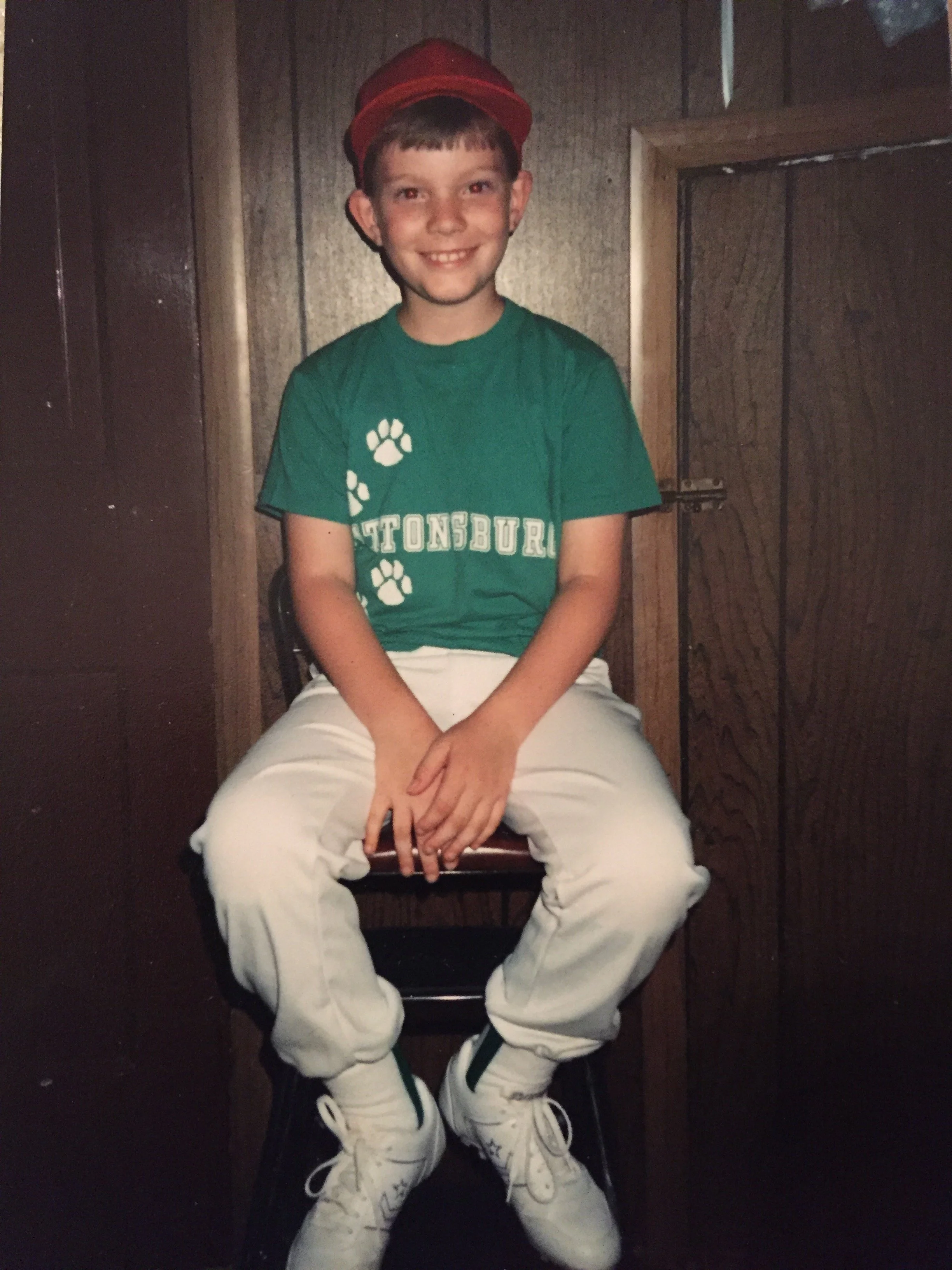
My childhood gave me two things at once.
I had a lot of space and plenty of alone time to wander and wonder about a world that existed beyond the one right in front of me. But I also had a harder undercurrent running alongside it: never quite feeling like I belonged, while still needing to belong for my safety and security. It wasn't always comfortable, and honestly, it was scary and lonely at times. But it taught me to observe the world in a way most kids don't have to. I quickly learned to read rooms, sensing what people expected of me and becoming whoever the moment required, all before I understood why.

Pop culture is where those two forces met.
Like most 80s and 90s kids, I was hooked on MTV, and I was most definitely going to be a VJ. Music, sports, fashion, entertainment, none of it felt like just entertainment to me. It felt like proof that there were other ways to live than the one I saw every day in that small town.
I didn't just watch it. I studied it, the same way I'd already learned to study people, looking for clues about who I could become and where I might actually fit. That habit stuck with me. It's part of why I ended up so curious about how people find belonging in the first place. Culture never stopped mattering to me after that. Long before I worked with brands, I understood, firsthand, how much it shapes the way people see themselves and the world around them.
I just didn't know that it could be a career.
It wasn't until I accidentally found the world of brand building and creativity that everything clicked.
My professional path was far from linear. I had early false starts with both medical and law school, searching for a field that matched both how I think and how I'm wired.
Strategy, culture, creativity, and human insight came together in a way that felt second nature. It was work that rewarded curiosity, imagination, and empathy. Over the past two decades, I've worked as a strategy leader and senior brand advisor, helping organizations navigate change at the intersection of brand, culture, and human behavior. I've partnered with CMOs and executive teams, led global strategy, and helped brands rethink how they show up in the world, often through culture-led thinking, creative ambition, and new forms of partnership. My experience spans retail and CPG, sports, music and entertainment, technology, and travel, working across categories where relevance and connection matter deeply.
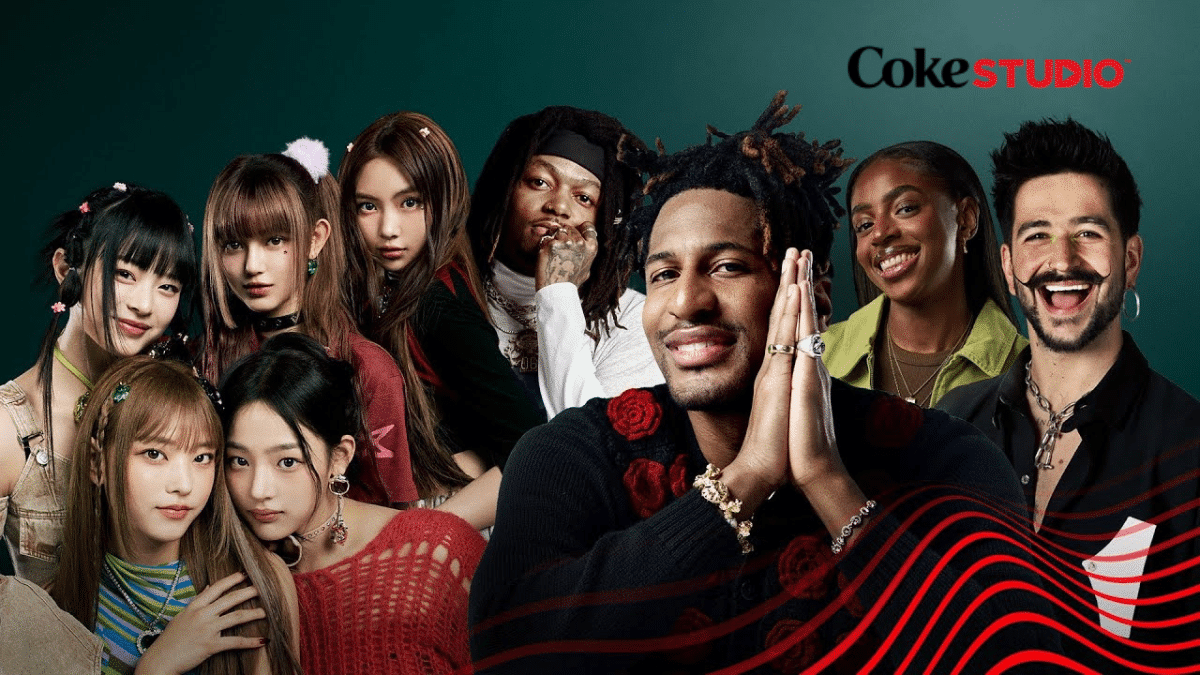



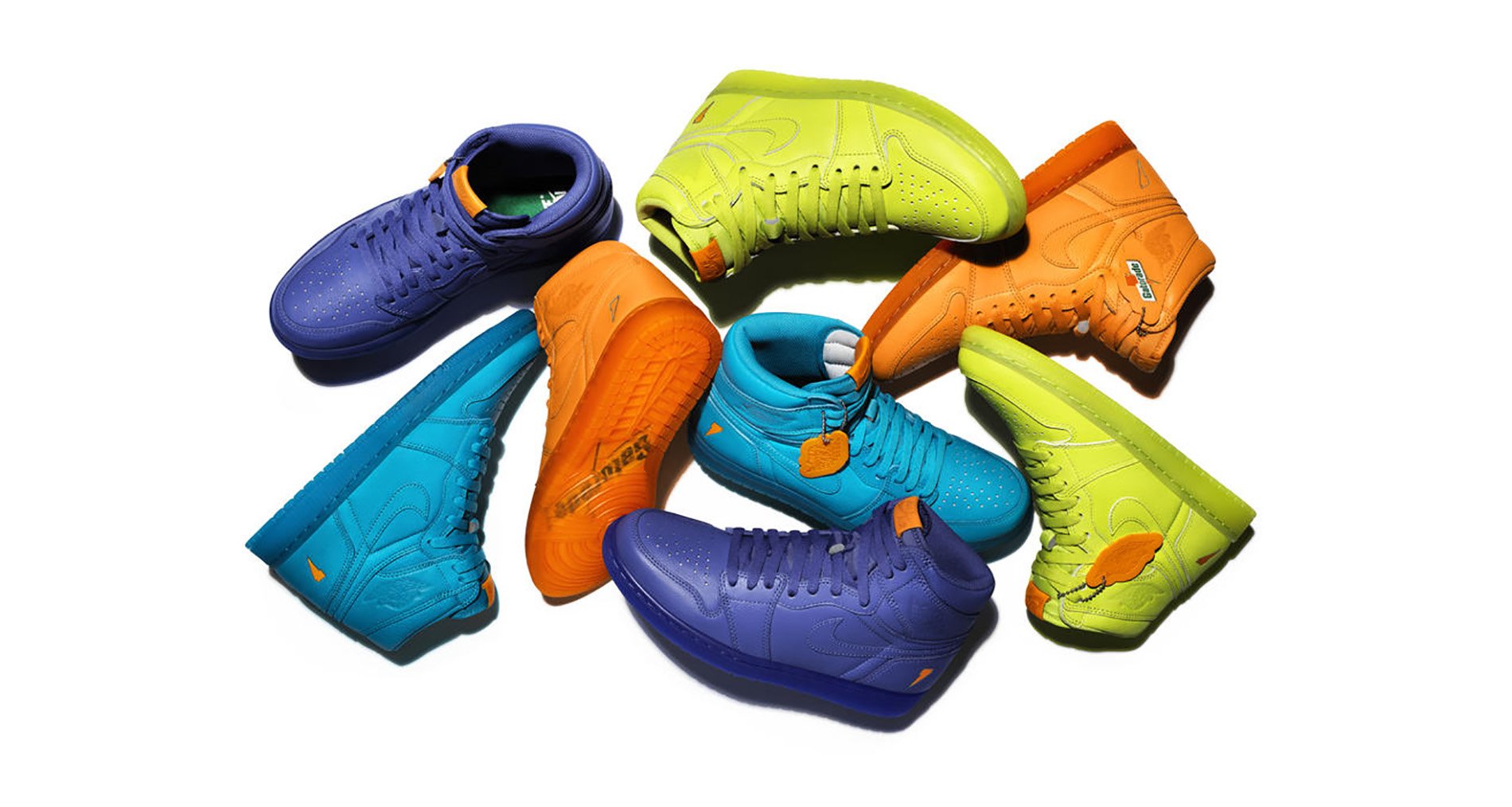
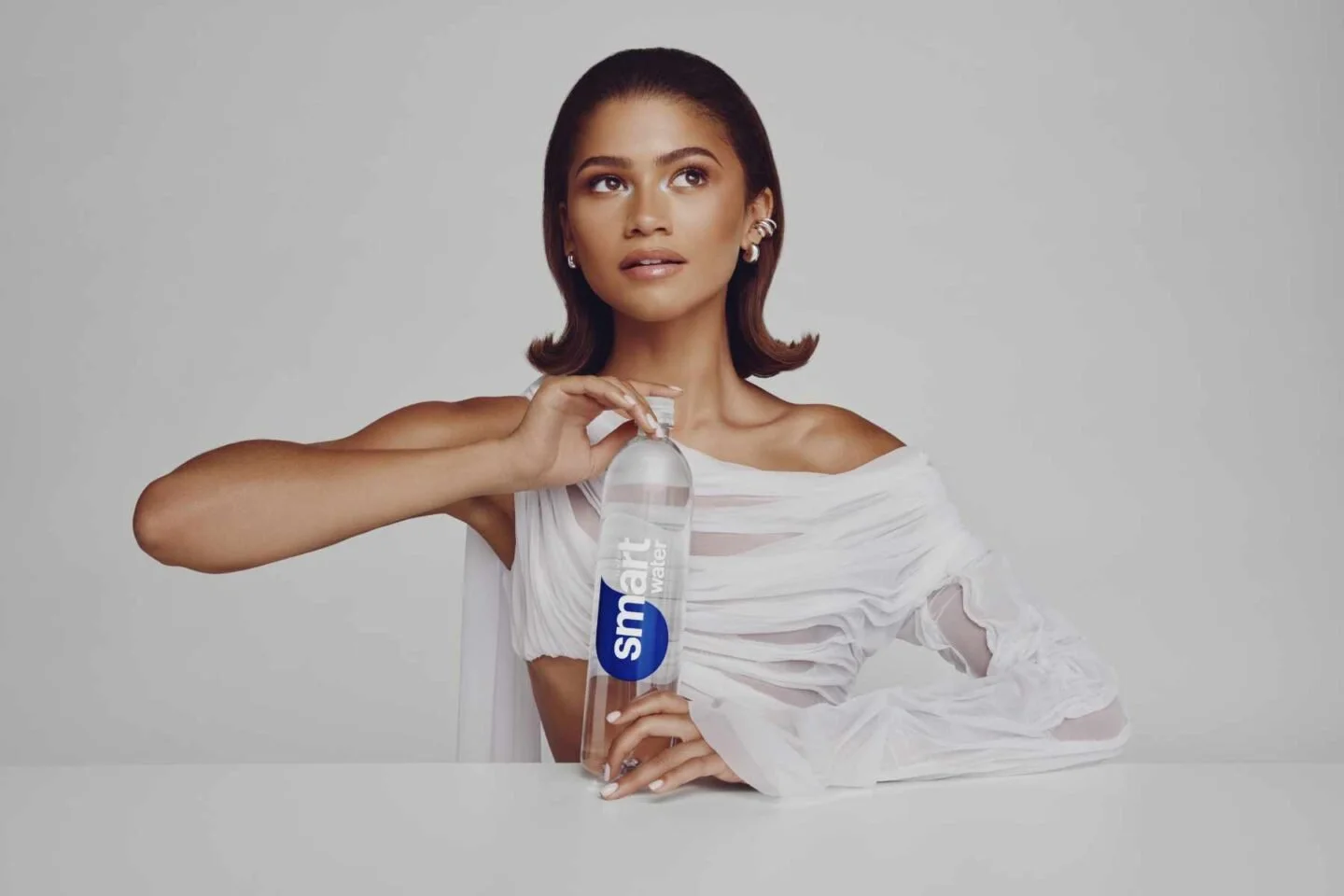
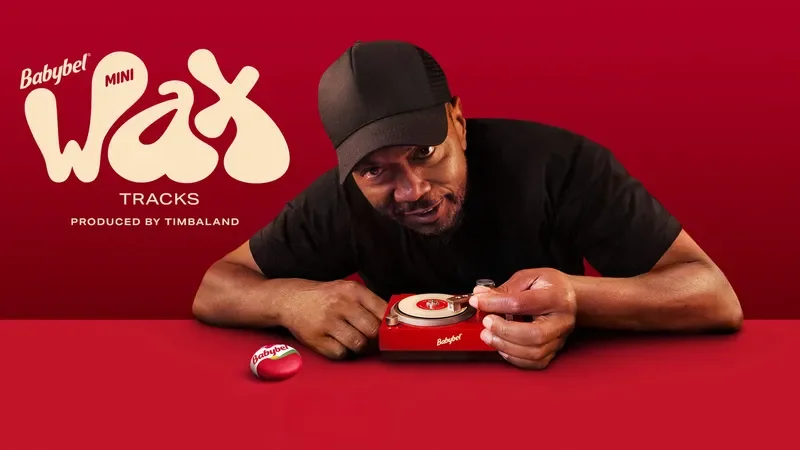

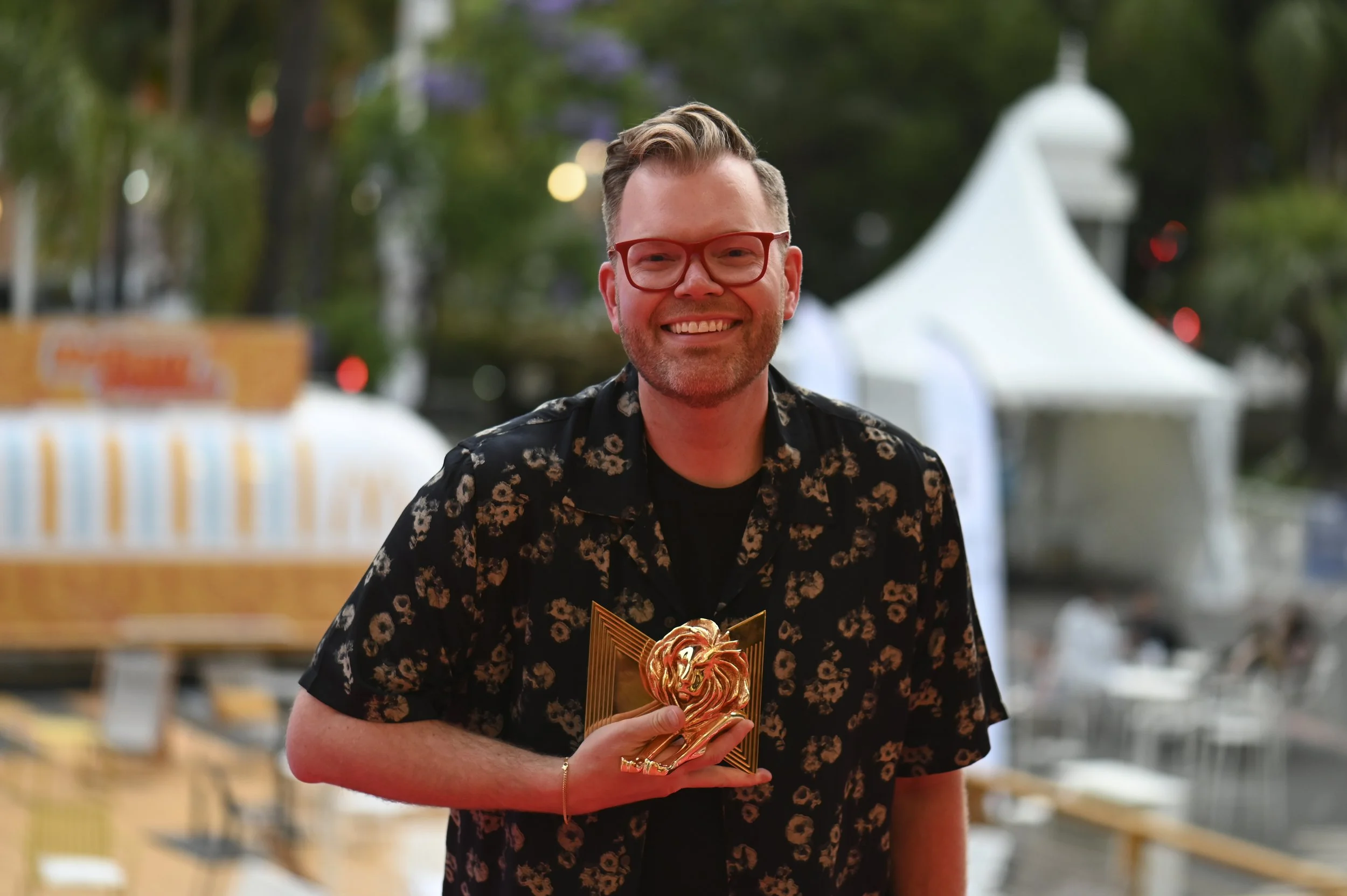
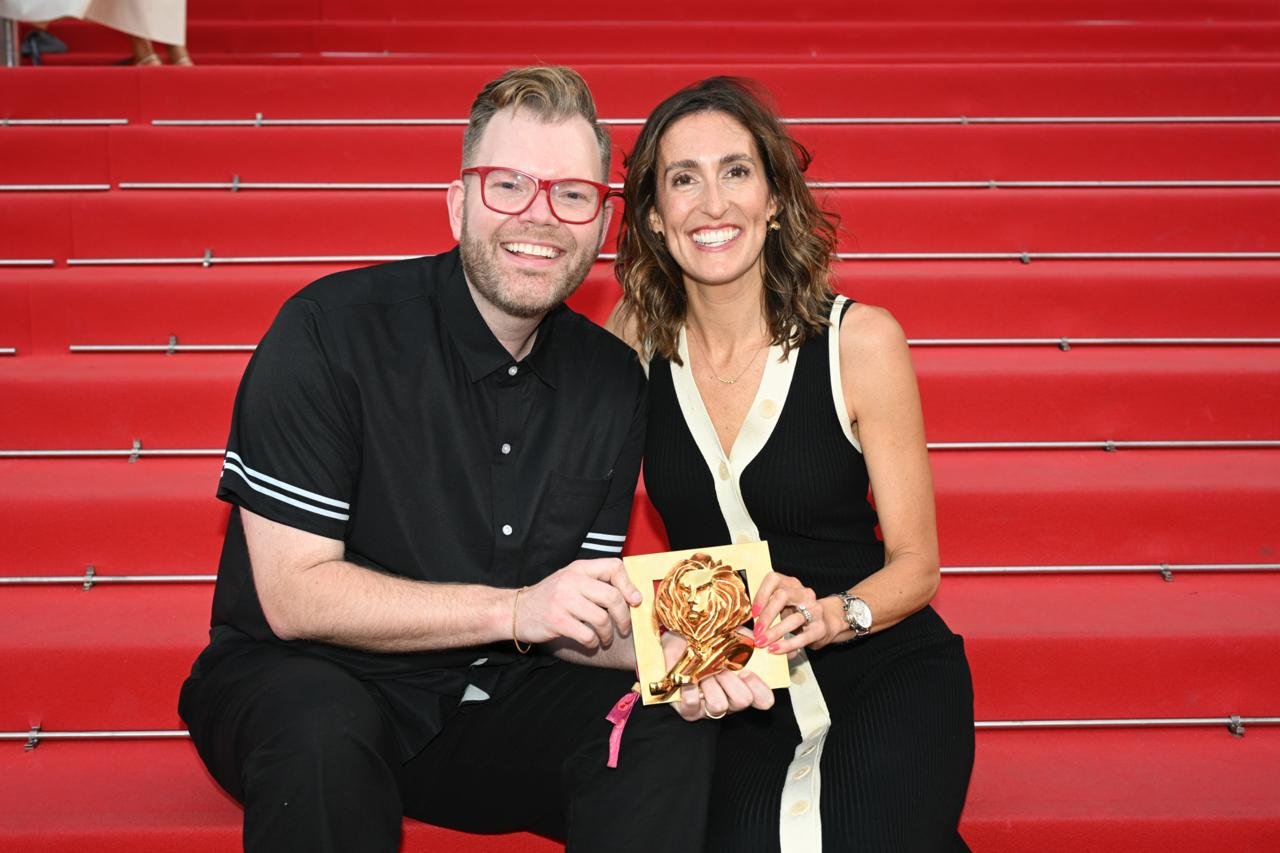
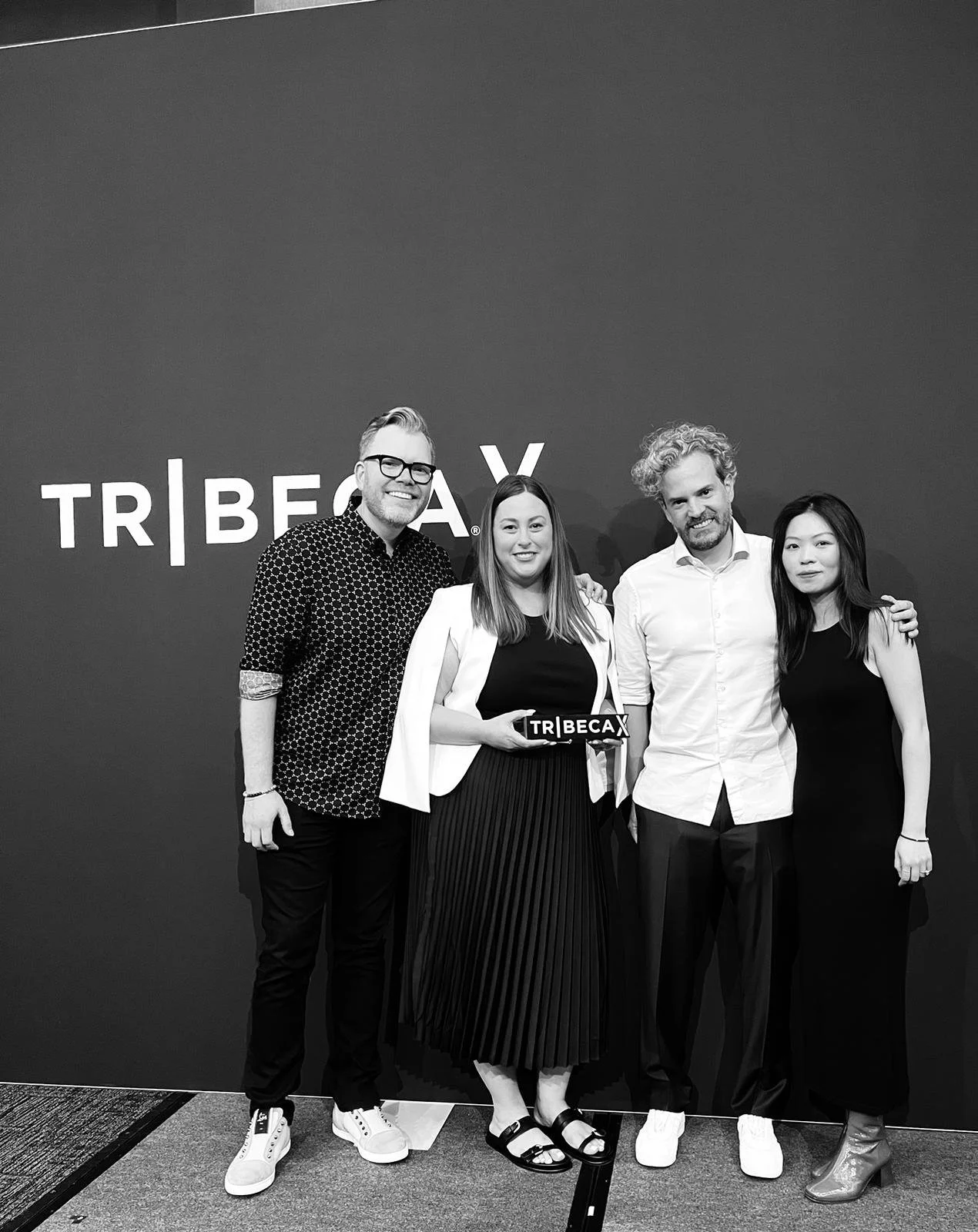
Along the way, the work has been recognized with industry awards and creative honors. But what matters most is the impact: the commercial results that follow when a brand earns real cultural relevance and human connection. And none of that happens alone. It takes the right people, working well together, to actually pull it off.
That's why I care just as much about how work gets made as what gets made.
I know what it feels like when a team, or a place, makes room for you, and what it feels like when it doesn't. That's shaped how I lead: building teams on trust and mentorship, not just output. I'm proud to be part of the LGBTQ+ community, and that lived experience is part of why I care so much about building organizations that are genuinely inclusive, not just inclusive on paper.
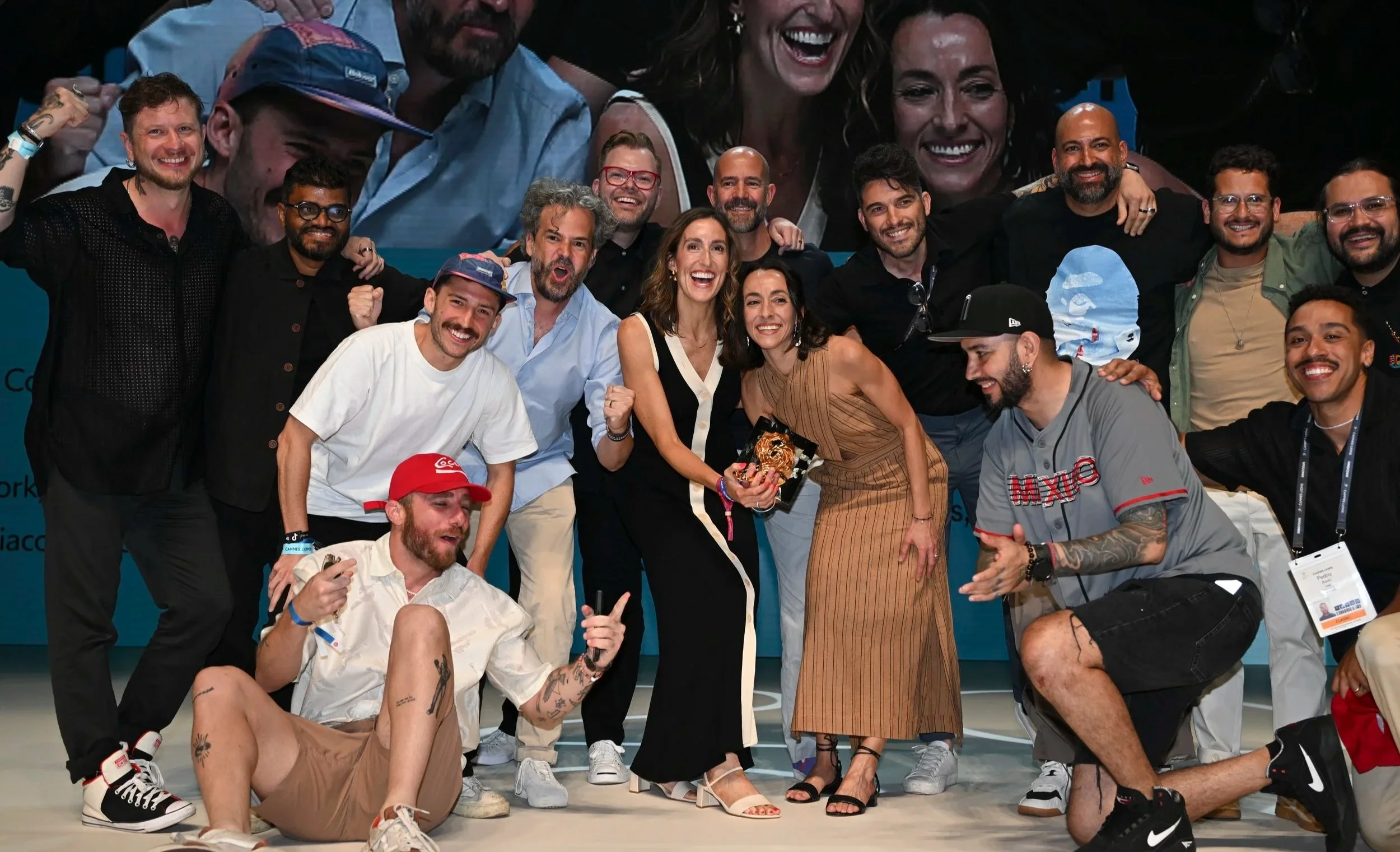
The most commercially successful brands are the ones designed intentionally for culture, not just their category.
While not every brand can transform culture, every brand can be a part of it, connecting with people in modern ways that create cultural influence, shape human behavior, and build long-term equity. And the brands that do? They win, creating lasting commercial value. That's why it's been the driving force of my career and the impact created for the brands I've partnered with.
See Impact→